Table of Contents
Ideological Criticism - Overview
Ideological criticism is a method of analyzing texts and other rhetorical artifacts to uncover the underlying ideologies that shape and are reflected in them. This type of criticism is often used to explore how media, literature, and other forms of communication reinforce or challenge dominant social, political, and economic power structures.
Ideology refers to a set of beliefs, values, narratives, and rules that are pervasive in a society and that justify and maintain the status quo. It reflects the interests of dominant social groups and can often appear as “common sense” or “natural” to people in a given culture.
Ideologies are NOT merely abstract sets of ideas or states of mind; they also manifest in concrete forms such as institutions, laws, and social practices that enforce the status quo and maintain social relations in accordance with the dominant ideology. Michael Calvin McGee further evolved the method by introducing the concept of ideographs. Ideographs are culturally specific terms like “liberty” or “equality” that shape collective identity and political discourse. McGee tied historical analysis directly to the study of political and cultural rhetoric, illustrating its ongoing relevance in rhetorical research.[1]
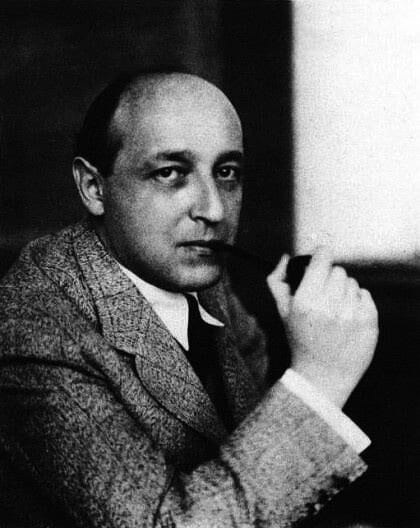
Mannheim’s Ideology and Utopia
Karl Mannheim in his Ideology and Utopia (1936) distinguished between “ideologists” (those whose worldview supports the status quo) and “utopians” (those who criticize the dominant ideology and envision alternatives). Ideology, according to Mannheim, obscures the real conditions of society, benefiting those in power. [2]
The ideology of consumerism promotes the idea that constant economic growth and consumer spending are signs of a healthy society. Under this master-narrative, advertisements and media often portray consumption as a path to personal happiness and fulfillment.
How it Obscures Reality: This ideology obscures the environmental degradation and resource depletion caused by overconsumption. It downplays or ignores the harmful impacts of unsustainable production and consumption practices on the planet, making the destructive effects of consumer culture on ecosystems and climate appear less urgent or significant than they are.
Key Perspectives from Ideological Criticism
Economic Inequality and False Consciousness
Ideological criticism focuses on how media and other forms of communication serve to reinforce economic relations, and how they propagate narratives that legitimize and normalize existing power imbalances. As economic relations are often unequal, such as in the concentration of wealth among a small elite, institutions and media work to maintain the status quo by generating what Mannheim calls a false consciousness among the masses. [3] They do this by embedding counterfactual yet normative assumptions and rituals that render exploitative conditions less noticeable or more “palatable.” [4] Key concepts include analyzing the relationship between a society’s base (economic relations) and its superstructure (cultural institutions), understanding false consciousness as a set of myths reinforced by dominant institutions, and critiquing consumer culture and capitalism.
Base, Superstructure, and False Consciousness in Social Media:
- Base: The economic relations that drive social media platforms, such as advertising revenue, data monetization, and profit-maximizing algorithms. Social media companies like Facebook, Instagram, and Twitter operate on a business model that commodifies user attention and personal data, selling it to advertisers.
- Superstructure: The cultural and ideological framework, including how information is disseminated, what content is prioritized, and the types of interactions encouraged on these platforms. Algorithms prioritize content that generates high engagement—often sensational or emotionally charged posts—because such content is more profitable. This influences societal values, encouraging superficiality, consumerism, and polarization, while discouraging deeper, critical engagement with issues.
- False Consciousness: Social media platforms often create a false consciousness by portraying themselves as neutral tools for connection and self-expression, while in reality, they are profit-driven entities that shape users' perceptions and behaviors to serve their economic interests. [5]
Example of False Consciousness:
Social Media platforms claim to empower users with free access to information and the ability to connect with others. However, the content users see is heavily filtered by algorithms designed to maximize user engagement and advertising revenue. This creates an illusion of free choice while subtly guiding users towards a obsessive-compulsive consumption pattern that feeds into the prevailing economic system.
Curated Reality & False Consciousness:
The principle of false consciousness is also reflected in the phenomenon of curated reality, where social media platforms encourages users to present idealized versions of their lives, promoting a sense of competition and inadequacy that drives obsessive consumer behavior. People are led to believe that happiness and social status can be achieved through the consumption of products or lifestyles depicted on these platforms, obscuring the economic motives behind these narratives.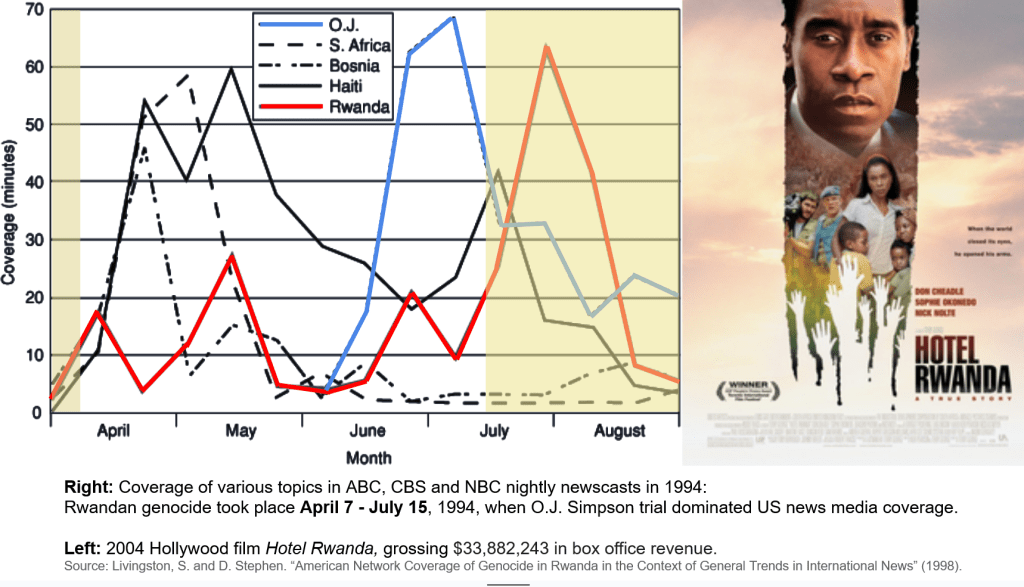
Hegemony and Mythologies
The concept of hegemony, introduced by cultural theorist Antonio Gramsci, refers to the idea that the dominant ideology influences people’s behavior in mostly tacit, invisible ways. [6] By virtue of its dominant status, it becomes all-pervasive within a given society and cultural frame of reference, making this dominance seem natural and inevitable.
Consider this question: If the target audience of a propaganda message can immediately tell that it is propaganda, would the propaganda still be effective? Ample research has shown that the most potent forms of propaganda are not easily recognized by their target audience as such, but are instead perceived as “authoritative” and “objective” information. Therefore, hegemony operates through institutions such as media, education, and religion, which propagate the values and interests of the ruling class.
French philosopher Roland Barthes’ Mythologies also applied the concept of mythical speech in analyzing how everyday cultural phenomena (e.g., sports, advertisements) serve as modern myths that naturalize the values of the dominant ideology. He argued that popular culture creates ideological meanings that appear natural but serve to reinforce dominant social structures. [7]
Examples of Hegemony and Myths of Popular Culture in Social Media:
Shaping Public Discourse: Social media platforms have become primary sources of news and information, influencing how people perceive and consume political, social, and economic issues. By managing the flow and visibility of information, these platforms can amplify certain viewpoints while marginalizing others, making specific narratives appear as natural and fashionable. For example, the promotion of "influencer culture" on social media naturalizes consumerism by framing personal success and happiness as achievable through the acquisition of branded goods and lifestyles. This is similar to Barthes’ analysis of advertisements, where he argues that ads transform mundane products into cultural icons of social status and happiness, thus perpetuating the myth that consumer goods are essential to a fulfilled life.Monopolizing Attention: The attention economy traps users in a cycle of constant engagement, encouraging them to consume content passively and uncritically. This monopolization of attention diverts people from engaging with more substantive forms of political and social activism, subtly reinforcing the status quo by channeling discontent into harmless online activities like posting and commenting, rather than real-world action. This mirrors Barthes’ concept of mythical speech, where the repetitive consumption of simplified narratives and images on social media creates a sense of inevitability and passivity, discouraging critical reflection on the structures of power that these platforms reinforce.
Psychoanalytic Criticism - Overview
Psychoanalysis, originating from Sigmund Freud’s work, has expanded beyond the confines of psychotherapy through representative works by Jacques Lacan, Luce Irigaray, Slavoj Žižek, and Julia Kristeva, into the critical evaluation of literature, art, film, media, and social institutions, focusing on uncovering unconscious motivations and symbolic meanings within these rhetorical artifacts and structures. [8]
Psychoanalytic criticism probes beneath the surface layers of visible / audible / tangible symbolic expressions, to reveal hidden structures desires, fears, obsessions, repressed memories, and the entanglement between individual subjectivity and collective practices. By examining the subtle mechanisms of identification, projection, transference, scholars expose the latent power vectors and ideological substrates that shape both individual experience and collective identity. [9] Ultimately, psychoanalytic criticism invites readers to reconsider how our deepest, often unacknowledged, personal impulses are shaped by the larger media ecosystem that defines our social world, challenging us to become critically attuned to the frequencies of our everyday lives as they resonate with broader societal mechanics. [10]
In rhetorical studies, psychoanalytic criticism emphasizes interpreting rhetorical discourse based on its meanings, with strong consideration of tacit, unconscious dynamics. Psychoanalytic criticism contributes to the rhetorical tradition by highlighting that the meaning of a text is not fully defined by its content and external context. Furthermore, meaning is influenced by unconscious processes that shape how subjects relate to the communication process. [11]

Critical Perspectives on Psychoanalysis

Some theorists locate the source of male domination not only in the class system and capitalism but also in the symbolic power of the human body. Phallocentric theory, for example, suggests that societal structures and cultural representations are shaped by the history of patriarchy and the power associated with the male phallus, which marginalizes both women and non-binary or queer individuals. [12]
Similarly, perspectives from feminist media theory also highlight how the “male gaze” positions women and gender non-conforming individuals as objects of male desire, often excluding or misrepresenting non-normative sexualities and genders. The media frequently portrays women as sexual objects and marginalizes or fetishizes queer identities, thereby reinforcing the gender normativity.[13] Some critics argue for a multidisciplinary and critical approach to the psychoanalysis of rhetorical artifacts, incorporating political, economic, historical and material dimensions, to fully interrogate the ambivalence of media representation.[14]
The Unconscious
Freud posited that the human psyche consists of the conscious, preconscious, and unconscious. The unconscious stores all our experiences and desires, shaping our behavior in ways we are often unaware of.
Example of Analyzing the Unconscious in the Film "Jaws" (1975)
In Steven Spielberg’s Jaws, the shark can be interpreted as a manifestation of the unconscious fears and anxieties of the characters and the broader community. The big, scary, man-eating shark remains mostly hidden throughout the film. While the shark itself poses a real, physical threat, on a deeper level, it symbolizes the collective unconscious, with its repressed insecurities and fears lurking beneath the peaceful façade of the town. The townspeople’s collective denial of the shark’s danger, driven by their desire to keep the beaches open for tourism, parallels the psychological process of repression, where uncomfortable truths are pushed into the unconscious. The film’s suspense and horror elements tap into the audience’s own unconscious fears of the unknown and the uncontrollable, revealing how deeply these hidden fears can influence behavior and collective responses to perceived threats.

Id, Ego, and Superego
Freud’s structural model of the psyche describes the id (instinctual desires), ego (rationality), and superego (moral conscience). These three parts are often in conflict, influencing behavior and thought.
Id, Ego, & Superego in Social Media Contexts
Id: The instinctual desires for instant gratification, attention, and validation. This is often seen in behaviors such as impulsively posting selfies, seeking likes and comments, and engaging in trends that prioritize immediate social rewards.Superego: The internalized societal norms and moral standards that users try to uphold. For example, many people curate their profiles to align with what they believe is socially acceptable or desirable, avoiding posts that might be judged negatively or seen as inappropriate by their followers, indicating the influence of the moral conscience.Ego: Acts as the mediator between these two forces, balancing the id’s desire for instant gratification with the superego’s concern for social judgment. A person might spend time editing and filtering photos before posting, or crafting captions that appear thoughtful or witty, thus satisfying the id’s need for attention while adhering to the superego’s demand for a polished, respectable self-image. This negotiation between impulsive desires and societal expectations showcases the dynamic interplay of the id, ego, and superego in the digital age, as individuals navigate their online personas and interactions.
Defense Mechanisms and Complexes
Freud identified several defense mechanisms that the ego uses to cope with anxiety and maintain psychological stability:
- Repression: Unconsciously blocking unacceptable thoughts from conscious awareness.
- Projection: Attributing one's own undesirable feelings to others.
- Denial: Refusing to acknowledge painful realities.
- Rationalization: Offering seemingly logical explanations for behaviors driven by unconscious impulses.
- Regression: Reverting to behaviors typical of an earlier stage of development when faced with stress.
- Reaction Formation: Acting in a manner opposite to one’s unconscious feelings to keep them hidden. [15]
- Oedipus Complex: According to Freud, the Oedipus Complex originates as a coping strategy used by young children around the time they are weaned off breastfeeding and infancy care. During this stage, the child, now a toddler, may experience intense frustration and a sense of rejection from the parents who no longer cuddle and breastfeed the child like a newborn infant . To cope with this perceived rejection from their "mother" figure, the child would often rechanneling their frustration by projecting feelings of jealousy onto the other parent, sometimes referred to as the "father" figure. This redirection serves as a way for the child to externalize their emotions, convincing themselves that the symbolic "(m)Other" became inaccessible due to the interference by the symbolic "father," as if the father is “stealing” the mother’s loving attention away from the child. Freud name this complex after Oedipus, a tragic hero from Greek mythology who, unwittingly kills his father out of jealousy and marries his mother. [16]
- Inferiority Complex: An unconscious structure formed from internalizing persistent feelings of inadequacy, often stemming from traumatic experiences of failure or criticism. Individuals with this complex may overcompensate as a coping strategy, striving for excessive achievement, or they may avoid challenges altogether due to a fear of failure. [17]
- Persecution/Martyr Complex: A persistent but counterfactual belief that one is the target of constant hostility or mistreatment by others, often accompanied by the belief that their “persecution” has a higher moral purpose. This complex may function, in part, as a coping strategy to seek validation and a sense of self-worth, or to fulfill a desire for control during difficult circumstances. [18]
- Savior/Messiah Complex: A persistent drive or compulsion to "rescue" others from their problems, often at the expense of one's own well-being. Individuals with this complex may seek out relationships with those they perceive as needing help. It can be driven by a need to feel needed and a sense of purpose in life, or as an unconscious coping mechanism to “redeem” oneself from an internalized sense of guilt. [19]
References
- McGee, Michael Calvin. "The “ideograph”: A link between rhetoric and ideology." Quarterly journal of speech 66, no. 1 (1980): 1-16.
- Mannheim, Karl. Ideology and Utopia. Routledge, 2013.
- Gabel, Joseph, and Alan Sica. "Utopian Consciousness and False Consciousness." In Ideologies and the Corruption of Thought, pp. 61-70. Routledge, 2018.
- Wang, Keren. Legal and rhetorical foundations of economic globalization: An atlas of ritual sacrifice in late-capitalism, Chapter 2. Routledge, 2019.
- Thompson, Michael J. "False consciousness reconsidered: A theory of defective social cognition." Critical Sociology 41, no. 3 (2015): 449-461.
- Bates, Thomas R. "Gramsci and the Theory of Hegemony." Journal of the History of Ideas 36, no. 2 (1975): 351-366.
- Barthes, Roland, and Josef Fulka. Mytologie. Praha: Dokořán, 2004.
- Lacan, Jacques. The psychoses: the seminar of Jacques Lacan. Routledge, 2013. See also, Irigaray, Luce. This sex which is not one. Cornell university press, 1985; Žižek, Slavoj. "What can psychoanalysis tell us about cyberspace?." In The Routledge International Handbook of Psychoanalysis and Philosophy, pp. 449-465. Routledge, 2022; Kristeva, Julia. In the beginning was love: Psychoanalysis and faith. New York: Columbia University Press, 1987.
- Pettegrew, Loyd S. "Psychoanalytic theory: A neglected rhetorical dimension." Philosophy & Rhetoric 10, no. 1 (1977): 46-59.
- Wang, Keren. Atlas of Sacrifice: Three Studies of Ritual Sacrifice in Late-capitalism. The Pennsylvania State University, 2018.
- Freud, Sigmund. "The unconscious." The Journal of Nervous and Mental Disease 56, no. 3 (1922): 291-294.
- Libbon, Stephanie E. "Pathologizing the female body: phallocentrism in Western science." Journal of International Women's Studies 8, no. 4 (2013): 79-92.
- Oliver, Kelly. "The male gaze is more relevant, and more dangerous, than ever." New Review of Film and Television Studies 15, no. 4 (2017): 451-455.
- Biesecker, Barbara A. "Rhetorical studies and the “new” psychoanalysis: What's the real problem? Or framing the problem of the real." Quarterly Journal of Speech 84, no. 2 (1998): 222-240.
- Kline, Paul. "A critical perspective on defense mechanisms." In The concept of defense mechanisms in contemporary psychology: Theoretical, research, and clinical perspectives, pp. 3-13. New York, NY: Springer New York, 1993.
- O’Shaughnessy, Edna. "The invisible Oedipus complex." In The Oedipus complex today, pp. 129-150. Routledge, 2018.
- Heidbreder, Edna F. "The normal inferiority complex." The Journal of Abnormal and Social Psychology 22, no. 3 (1927): 243.
- Bélanger, Jocelyn J., Julie Caouette, Keren Sharvit, and Michelle Dugas. "The psychology of martyrdom: making the ultimate sacrifice in the name of a cause." Journal of Personality and Social Psychology 107, no. 3 (2014): 494.
- McWilliams, Nancy. "The psychology of the altruist." Psychoanalytic Psychology 1, no. 3 (1984): 193.